Archive & Collections

Home » About » Archive & Collections

What's in our Archive

From over a century worth of records of the Royal Scottish Country Dance Society and its branches to personal papers from members, including published books, manuscripts, minute books, correspondence, photographs and audio recordings our Archive is a treasure trove in Scottish Country Dance memorabilia.
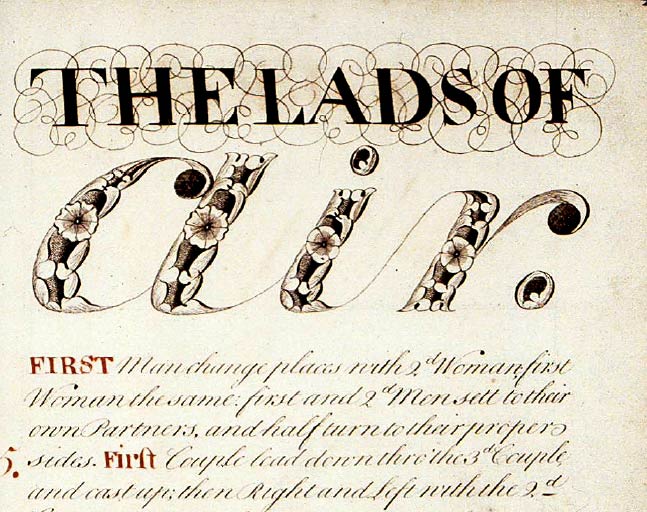
Part of a scan of an old Scottish country dance called The Lads of Air written in a calligraphy on yellow paper

What is an Archive?

It helps to interpret and understand history

The term Archive refers to permanently valuable records—such as letters, reports, accounts, minute books, draft and final manuscripts, and photographs—of people, businesses and government. These records are kept because they have continuing value to the creating agency and to other potential users. They are the documentary evidence of past events, the facts we use to interpret and understand history.

RSCDS Archive

Step into Scottish Country Dance history at the RSCDS Archive

The term Archive refers to permanently valuable records—such as letters, reports, accounts, minute books, draft and final manuscripts, and photographs—of people, businesses and government. These records are kept because they have continuing value to the creating agency and to other potential users. They are the documentary evidence of past events, the facts we use to interpret and understand history.

With over 100 years of operating, the RSCDS has come to be regarded as the leading authority on country dance in Scotland, and that authority is under-pinned by the resources held in the Society’s Archive. The Archive is housed in the RSCDS Office at 12 Coates Crescent in Edinburgh. Much of the collection has been digitised and is freely available online for everyone.

We keep a wide range of items related to the RSCDS and Scottish dance history, and visitors are welcome to visit the Archive by appointment.
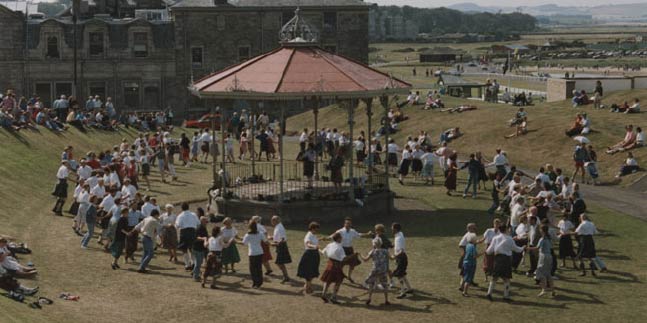
Photograph of dancers taking part in Dancing in the Streets 1994, dancing around the bandstand

Branch Archives

Why do we need Branch Archives?

To a very large extent the resources in the RSCDS Archive have come from our many Branches or from individuals associated with Branches. If our place as a recognised authority is to be maintained it is important that the flow of information continues and this can only happen if Branches are diligent in their record keeping and in the preservation of their records.

All Branches already have an Archive even if they don’t know it or recognise it.

The old minute books and the box of photographs from long forgotten annual dances that are tucked away under the Secretary’s bed or languishing in the loft or a garden hut are in fact Archives, albeit not particularly useful Archives in that form.

The above is an extreme example, but we are sure that most Branches have a similar type of situation where it is left to an already busy Secretary to “do something with the records”.

It is our purpose to try to guide you through some practical and simple steps to producing an Archive that is meaningful and useful to both the Branch and the RSCDS at large.


Deposit to the RSCDS Archive

The facilities of the RSCDS Archive are available to all Branches and members, both at home and overseas. Items of archival interest can be deposited at any time for safekeeping and preservation. By their nature Branch Records are always at risk of being lost, mislaid or inadvertently destroyed and we recommend that from time to time, you deposit the original permanent records such as minute books (or copies of them) in the RSCDS Archive.

The RSCDS Archivist can be contacted via email on [email protected]
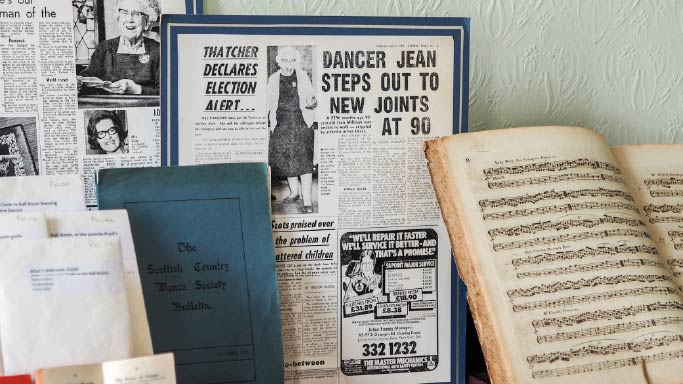
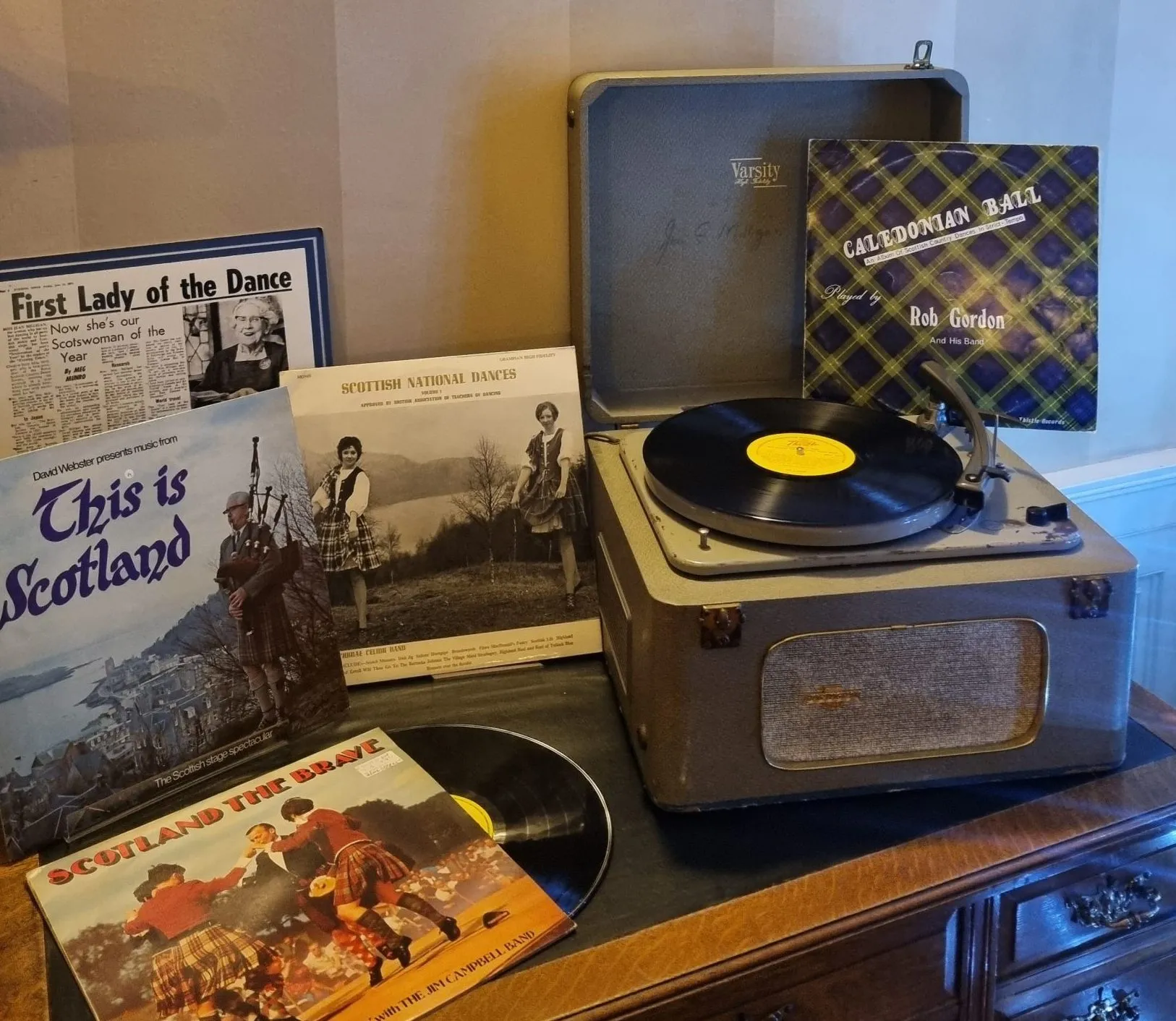
Photo of old Scottish Country dancing books, music sheets, articles from the Royal Scottish Country Dance Society's Archive
Explore our Archive

The RSCDS Archive is housed in the RSCDS Office at 12 Coates Crescent in Edinburgh. Much of the collection has been digitised and is freely available online for everyone. We keep a wide range of items related to the RSCDS and Scottish dance history, and visitors are welcome to visit the Archive by appointment.

Online Shop

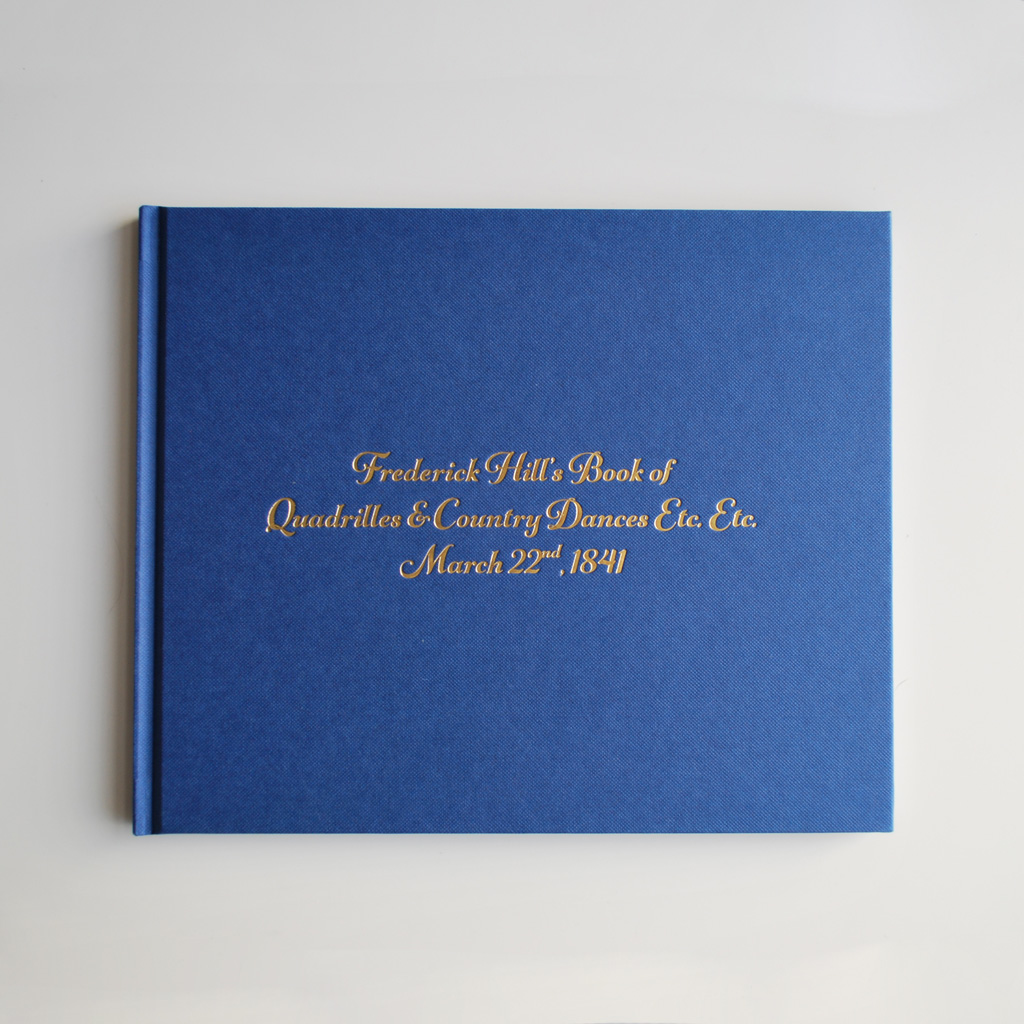
Dance through the Decades

Member price £10.80

Standard price £12.00

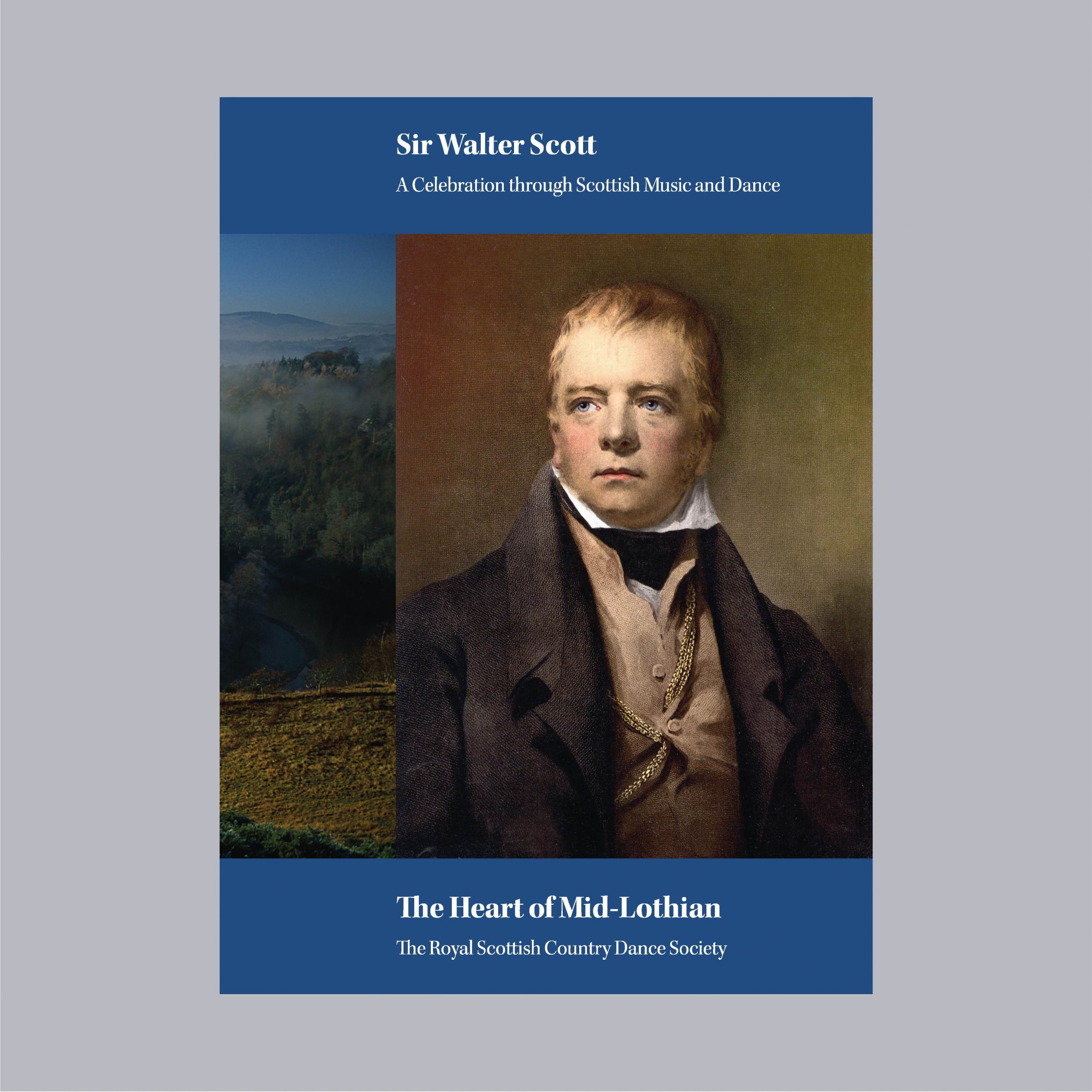
Sir Walter Scott, The Heart of Mid-Lothian

Member price £9.00

Standard price £10.00

Branch Archives FAQ’s

Helpful tips for Branches and Groups to keep and maintain their own collections.

If it is at all possible we urge you to appoint someone as a ‘keeper of the records’.  All too often this task is inherited by Branch Secretaries, but it is much better to remove this responsibility from the Secretary.

Appoint someone who has the time and interest to undertake this task.  They should be prepared to take custody of the records and to have provision for their proper storage.  It is not time consuming – a few hours each month spent on record maintenance is all that is required.

The person appointed would ideally have access to a computer and be familiar with basic document processing.  This, however, is not essential; a perfectly good system can be built around good old-fashioned pen and paper.

Committee minute books

These embody the history of your Branch and should be preserved in perpetuity.

Financial records

Invoices, purchase records, bank statements should be kept for a minimum of six years, after which they may be destroyed. 

Branch annual statements and balance sheets should be permanently archived. 

Media

Photographs and reports of Branch events or of events with which the Branch has been involved.  Ensure that each item has an accurate provenance.

Obituaries

Obituaries of prominent Branch members. 

A list of recommended duties:

  • Set up a simple catalogue of the Branch Records
  • Store the records such that they are protected from deterioration
  • Work closely with the Branch Secretary and Treasurer regarding accruals
  • Arrange for the deposition of records in the central Archive in Edinburgh
  • Be prepared to deal with queries regarding past Branch events
  • Take an interest in the “making” of Branch history. Arrange for photographs and reports of Branch events to be made or nag others to do it for you!  Ensure that photographs have an accurate description – who, when and where
  • Take responsibility for an annual photograph of Branch Officials. This is an important item from a historical perspective and can often be conveniently done at an AGM

Most Branch collections can be accommodated using a simple catalogue system.  If you have access to Microsoft Office then Excel or Access would be a suitable choice.  Apache OpenOffice, which is free, has similar programs.

No computer? You could use a simple notebook system!