Types of Tunes

Home » Start Dancing » Types of Tunes

Scottish country dance music

Scottish country dancing is brought to life through three distinctive rhythms—jigs, reels, and strathspeys. Each has its own character and energy, offering something for everyone on the dance floor, whether you’re just starting out or already love to dance.


Most traditional Scottish music is built around 8-bar phrases, creating a structure that’s both easy to follow and a joy to move to. Typically, a Scottish country dance is made up of 32 bars, forming one complete turn through the dance.

In a standard set of four couples, each couple dances the sequence twice as they move from the top to the bottom of the set. This means the most common format you’ll encounter is 8 × 32 bars—a pattern that soon becomes familiar and satisfying as you get into the rhythm.

Of course, there’s always room for variety. Some dances extend beyond 32 bars, with longer sequences such as 40, 48, or even 96 bars, adding extra interest and challenge for those keen to explore further.

Whether you’re discovering these patterns for the first time or building on your experience, the structure of Scottish country dance music helps bring people together—making it easy to join in, keep moving, and enjoy the music.

Jig

Lively, uplifting and full of energy, the jig is one of the most recognisable rhythms in Scottish country dancing. Written in 6/8 time, it has a flowing, lilting feel that makes it a joy to dance to—perfect for both new dancers finding their feet and those who already love the rhythm of the reel.

In musical terms, a jig is played in compound time, meaning each beat naturally divides into groups of three. You’ll often hear this as a gentle “ONE‑two‑three, TWO‑two‑three” pattern, created by two dotted crotchet beats per bar, each split into three quavers. This distinctive pulse gives the jig its light, skipping character and makes it easy to pick up once you start moving.

Jigs have a rich and fascinating history. They were enjoyed in Scotland and northern England during the 16th and 17th centuries, and have been a much-loved part of Irish dance tradition since the 18th century. Over time, their popularity spread widely. At the court of Elizabeth I, jigs from the north became fashionable, and the name came to be used more broadly for dances of folk origin.

As music evolved, so did the jig. It appeared not only on the dance floor but also on the stage and in composed music, with composers such as William Byrd, John Bull, and Giles Farnaby creating stylised versions for keyboard. The rhythm even travelled beyond Britain, influencing dance music in Europe and developing into forms such as the French gigue.

Today, jigs continue to bring people together on dance floors around the world. Within Scottish country dancing, you’ll discover a variety of jig styles—each with its own flavour and character. As you explore further, you’ll hear and feel these subtle differences, adding even more enjoyment to the music and the dance.

Ready to hear it in action? Listen to a jig and let the rhythm carry you onto the floor—step this way and give it a go!


Reel

Fast, energetic and great fun to dance, the reel is a cornerstone of Scottish country dancing. With its lively pace and flowing movement, it’s a rhythm that brings dancers together—whether you’re stepping onto the floor for the first time or building your confidence with each turn.

Reels are rooted in Celtic tradition and are danced in sets of two or more couples. As you dance a reel, you’ll move through a series of travelling figures, interspersed with moments of “setting” steps danced on the spot. This balance of movement and rhythm creates a dynamic, sociable experience that’s at the heart of Scottish country dancing.

The history of the reel stretches back centuries. Scottish reels are mentioned as early as the 16th century, highlighting their long-standing place in dance culture. While their popularity shifted over time—particularly in parts of the Highlands—they re-emerged and flourished again from the 18th century onwards, becoming an enduring feature of dance traditions across Scotland and beyond.

Musically, reels are written in quick 2/4 or 4/4 time, giving them a steady, driving beat that’s easy to follow and exciting to dance to. Once you catch the rhythm, it’s hard not to be drawn into the energy of the set.

Today, reels remain a favourite for dancers around the world. Within Scottish country dancing, you’ll encounter a range of reel styles, each bringing its own character and feel. Exploring these different styles is all part of the fun—so step in, join the set, and enjoy the rhythm.

Ready to give it a try? Listen to a reel and feel the beat—then take to the floor and Dance Scottish!


Strathspey

Elegant, expressive and full of character, the strathspey brings a sense of poise and musicality to Scottish country dancing. Slower in pace than the jig or reel, it invites dancers to enjoy each movement, making it just as rewarding for beginners as it is for experienced dancers refining their style.

The music of the strathspey is written in 4/4 time and is instantly recognisable by its distinctive rhythm, known as the “Scotch snap.” This short–long pattern—where a quick note is followed by a longer one—gives the strathspey its unique, almost conversational feel. It’s a hallmark of Scottish music, adding depth and expression that dancers learn to interpret with increasing confidence.

The strathspey takes its name from the Strath (valley) of the River Spey in Scotland, where it developed in the early 18th century. While it was once closely linked to the reel, over time it evolved into a slower, more graceful dance form, creating a contrasting rhythm that is now an essential part of Scottish country dance repertoire.

Today, the strathspey continues to connect dancers with Scotland’s rich heritage while offering a warm, welcoming space to learn and enjoy the music. Within Scottish country dancing, you’ll discover a range of strathspey styles—each with its own subtle character and charm.

Ready to experience it for yourself? Listen to a strathspey, take your time with the rhythm, and step onto the floor—there’s always a place for you in the set.


Waltz

Smooth, flowing and beautifully expressive, the waltz offers a different pace and feel within Scottish country dancing. With its gentle turning movements and elegant style, it invites dancers to relax into the music and enjoy the shared experience on the floor—whatever their level of confidence.

The waltz began as a couple turning dance and first gained popularity in parts of southern Germany and Austria, where it appeared under names such as the Ländler and Deutscher. From its earliest days, it captured the imagination of dancers, reflecting a growing sense of freedom, expression and individuality—qualities that still resonate today.

By the late 18th century, the waltz had begun to spread more widely. It reached the operatic stage in 1787, before flourishing in Vienna, which soon became known as the home of the waltz. From there, it travelled across Europe, delighting audiences and dancers alike. By the early 19th century, it had arrived in France, where its light, gliding style quickly won hearts, and then in the United Kingdom around 1812, where it became a firm favourite in ballrooms.

In Scotland, the waltz is most often associated with Old Time dances, such as The St Bernard’s Waltz, The Valetta, and The Pride of Erin Waltz. These dances reflect the waltz’s European roots while sitting comfortably alongside Scotland’s own rich dance traditions.

Within the RSCDS repertoire, there is a single published waltz: The Waltz Country Dance. This dance is drawn from a longer form known as The Guaracha, or Spanish Waltz, although that name is not used within the RSCDS.

Ready to experience the flow of the waltz? Listen to an example and enjoy its smooth rhythm—then step onto the floor and share in the music and movement.


March

Strong, steady and full of character, the march brings a clear, driving rhythm to Scottish dance music. Originally written to accompany people on the move, marches were often performed by military bands, with a beat designed to guide each step and bring people together in time.

Most marches are written in 2/4 or 6/8 time, giving them their distinctive, purposeful feel. In Scottish country dancing, you may hear 6/8 pipe marches used as original tunes for dances such as The Duke of Atholl’s Reel, The Hollin Buss, or Bill Clement MBE. While 2/4 marches are less commonly used directly for dances, they sometimes appear in adapted forms—featured within reels or even influencing strathspeys.

You’ll also encounter marches in a more relaxed setting. Their clear rhythm makes them ideal for class warm-ups, helping dancers of all levels settle into the music, find the beat, and build confidence before taking to the set.

Many composers, past and present, have written marches that continue to play an important role in Scottish dance traditions. Well-known dances like The Gay Gordons are often performed to march tunes, bringing energy and a strong sense of shared rhythm to the floor.

One popular example features the tunes Wha Wadna’ Fecht for Charlie? (traditional) and Roses of Prince Charlie (Ronnie Browne), performed by Jim Lindsay and his Scottish Dance Band. The first of these is a patriotic Jacobite song, celebrating the spirit and loyalty of those who supported Prince Charles Edward Stuart—adding a rich historical connection to the music we enjoy today.

Ready to feel the rhythm? Listen to a march and let its steady beat guide you—then step in and join the dance.

Join the RSCDS Musicians

The button/s below are optional, and this block can be used to link to another page lorem ipsum dolor sit amet consectetur adipiscing elit. Quisque faucibus ex sapien vitae pellentesque sem placerat. In id cursus mi pretium tellus duis convallis. Tempus leo eu aenean sed diam urna tempor. Pulvinar vivamus fringilla lacus nec metus bibendum egestas. Iaculis massa nisl malesuada lacinia integer nunc posuere. Ut hendrerit semper vel class aptent taciti sociosqu. Ad litora torquent per conubia.
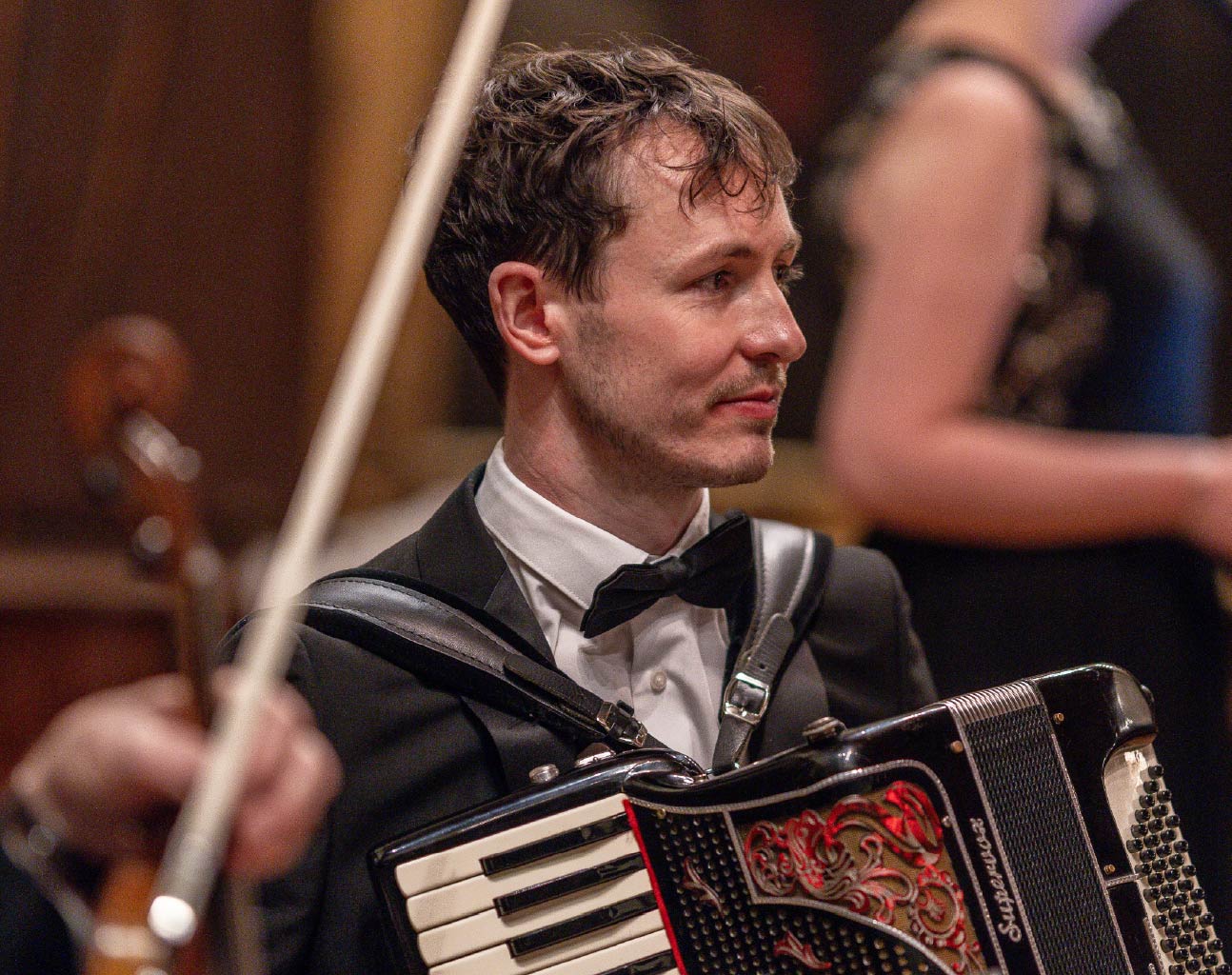
A musician in formal attire, including a black jacket and bow tie, plays an accordion during a live indoor performance. The accordion, decorated with red detailing and keys, is held across the front with straps. A violin and bow appear blurred in the foreground, while another performer and warm-toned wooden paneling are visible in the softly lit background.

Online Shop

Thirty Popular Dances, Vol. Two, part one CD

Member price £10.80

Standard price £12.00

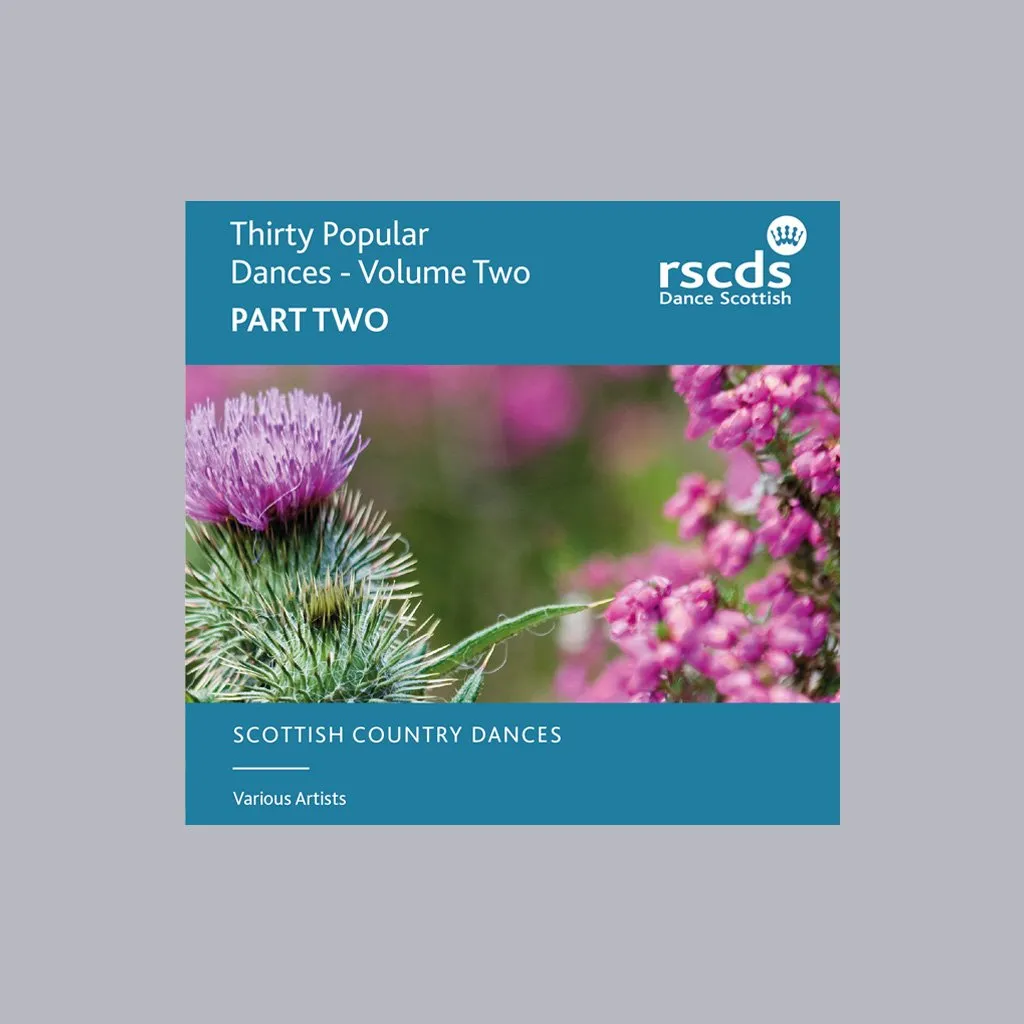
Thirty Popular Dances, Vol. Two, part two CD

Member price £10.80

Standard price £12.00

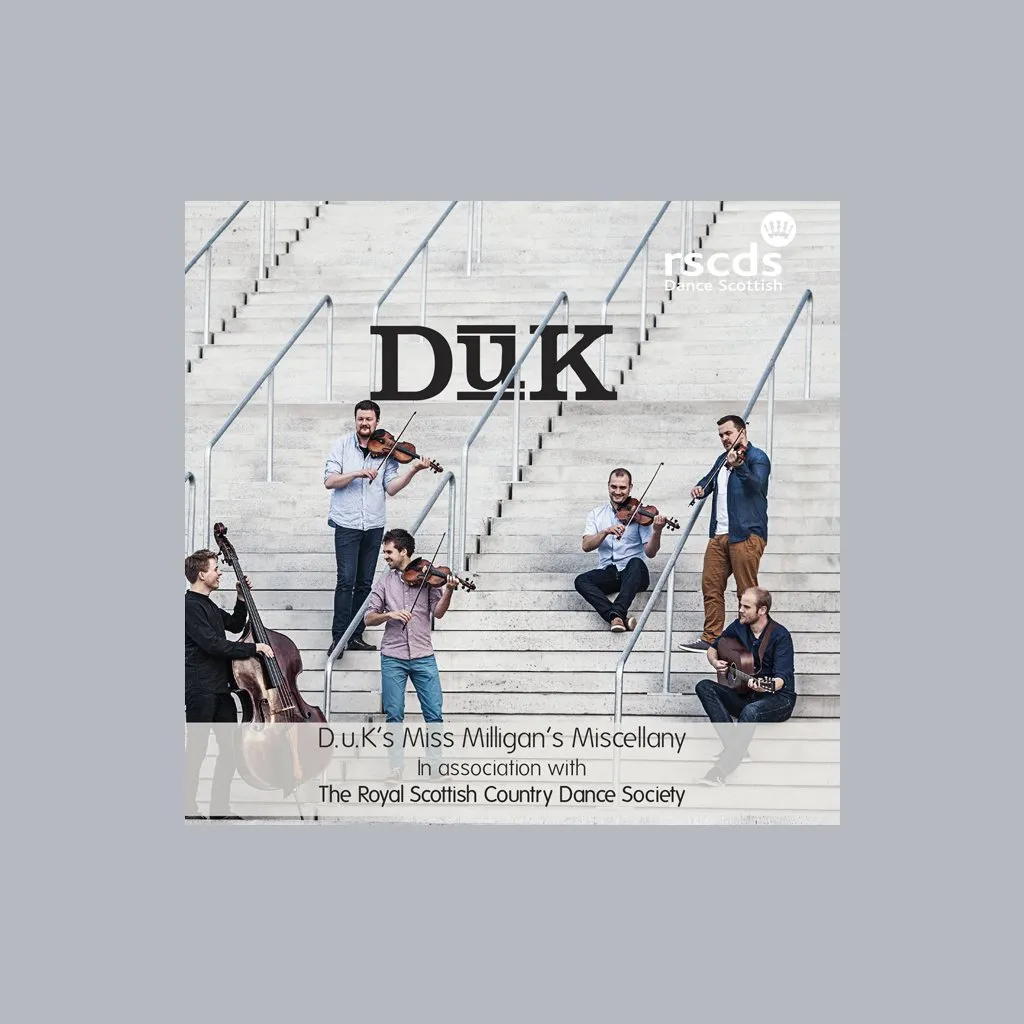
CD MMM part 4

Member price £4.50

Standard price £5.00

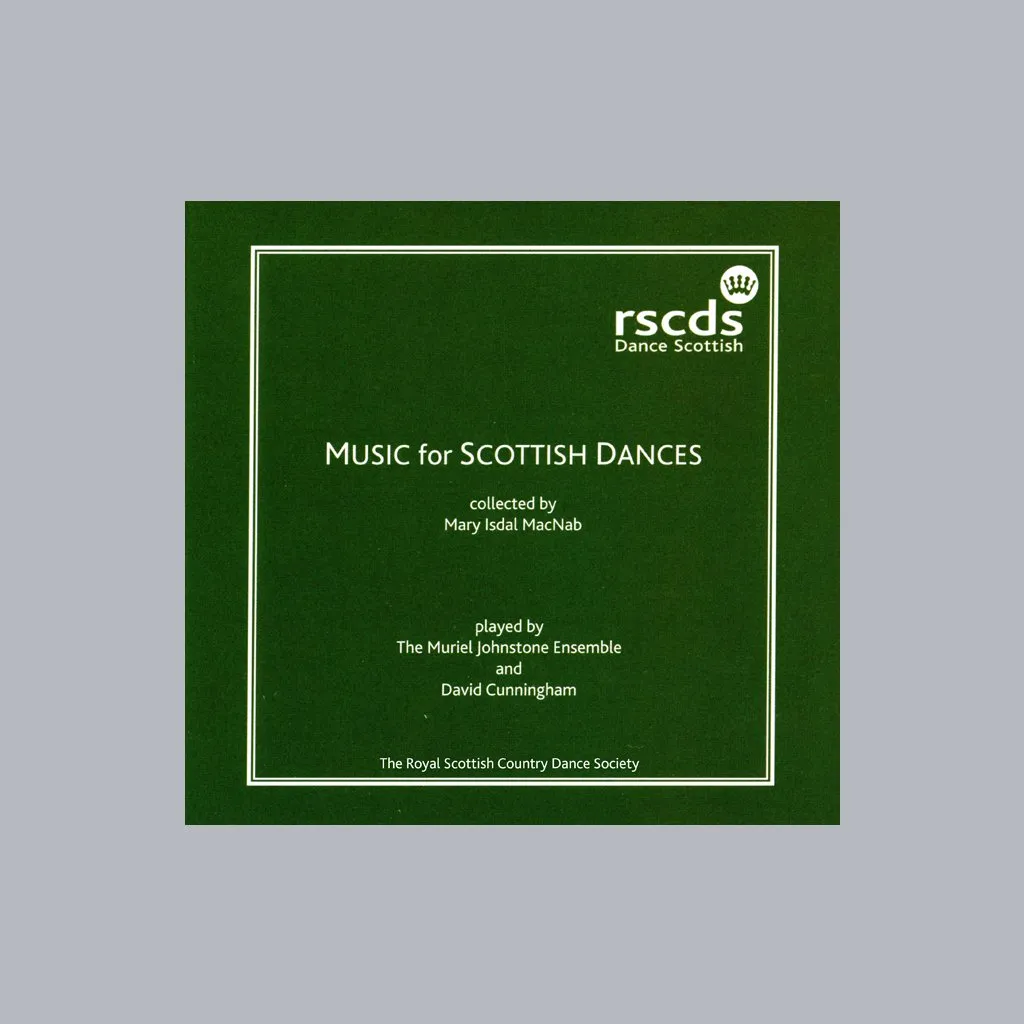
MacNab Dances Combined vol 1 & 2

Member price £4.50

Standard price £5.00

Find your local branch or group

With over 350 branches and groups worldwide,
it’s easy to find Scottish Country Dancing near you.